
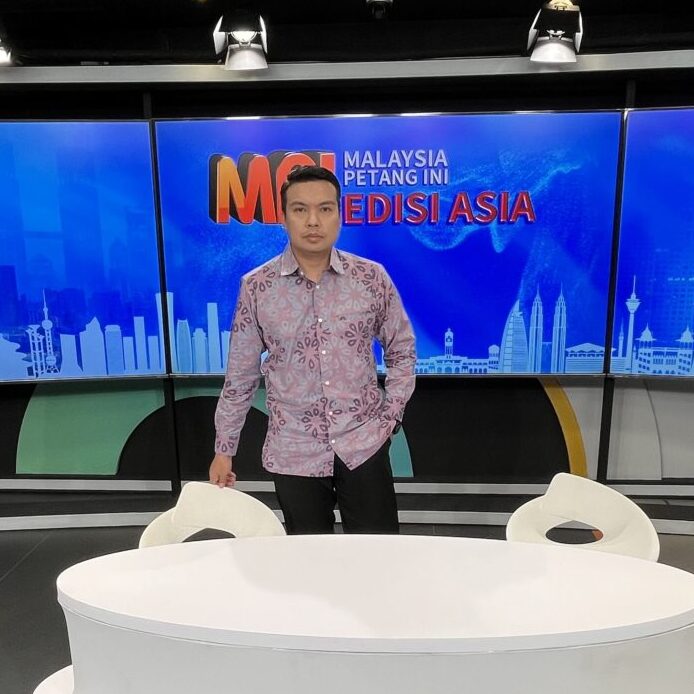
For most of his career, Isa Zubir had been a voice Malaysians trusted — first as a newscaster at Bernama, then as a digital media leader at local media company, Lobak Merah. What he had not anticipated was becoming a voice that would represent Malaysia in China.
At the time, the Sungai Besar-born broadcast journalist had already left the news agency for years, moved into digital media and was heading Malay content at Lobak Merah.
The question he received was: Would he consider working in Beijing for one of the world’s largest media organisations?
The opportunity turned out to be from China Media Group (CMG), one of the largest state-owned media conglomerates in China with over 80 language departments. After an interview and an assessment, Isa accepted the chance to step into a world he never imagined himself in — as a foreign expert and Malay-language newscaster for CMG’s Malay Department.
For Isa, the move was not only a career shift. It also placed him in a rare position to represent the Malay language, Malaysian perspectives and Southeast Asian stories on an international media platform.
That was how Isa arrived in Beijing in early 2024.
“There’s a saying that rezeki will find you when the time is right. For me, that became reality in a way I never expected,” he said.
Scaling the Broadcast Media Ladder
Isa’s life in the world of media began in 2014, when he joined Bernama as a reporter, newscaster and host. Over the next five years, he honed his journalistic instincts, adaptability and confidence in front of the camera, thus laying a solid foundation for the rest of his career.
By the end of 2018, he shifted to the digital sphere as Head of Malay Content for Lobak Merah, which sharpened his skills in online journalism, storytelling and digital trends.
It was during this phase of his career that a life-changing opportunity came knocking. Despite not being proficient in Chinese, Isa learned that his future department was entirely staffed by Chinese nationals who spoke Malay fluently. “Their Malay is good, so language barriers weren’t an issue at work,” Isa shared.
Once in Beijing, he discovered a work environment unlike anything in Malaysia. “The journalism landscape is very different. Here the focus is on success, technology and innovation, with the purpose of inspiring growth and transformation among the people.”
He believes Malaysia could draw lessons from this approach, particularly the emphasis on using media as a tool for national progress. “The speed, the scale, the intentionality behind every broadcast—it makes you reflect on what media can do when it is truly purposeful,” he said.
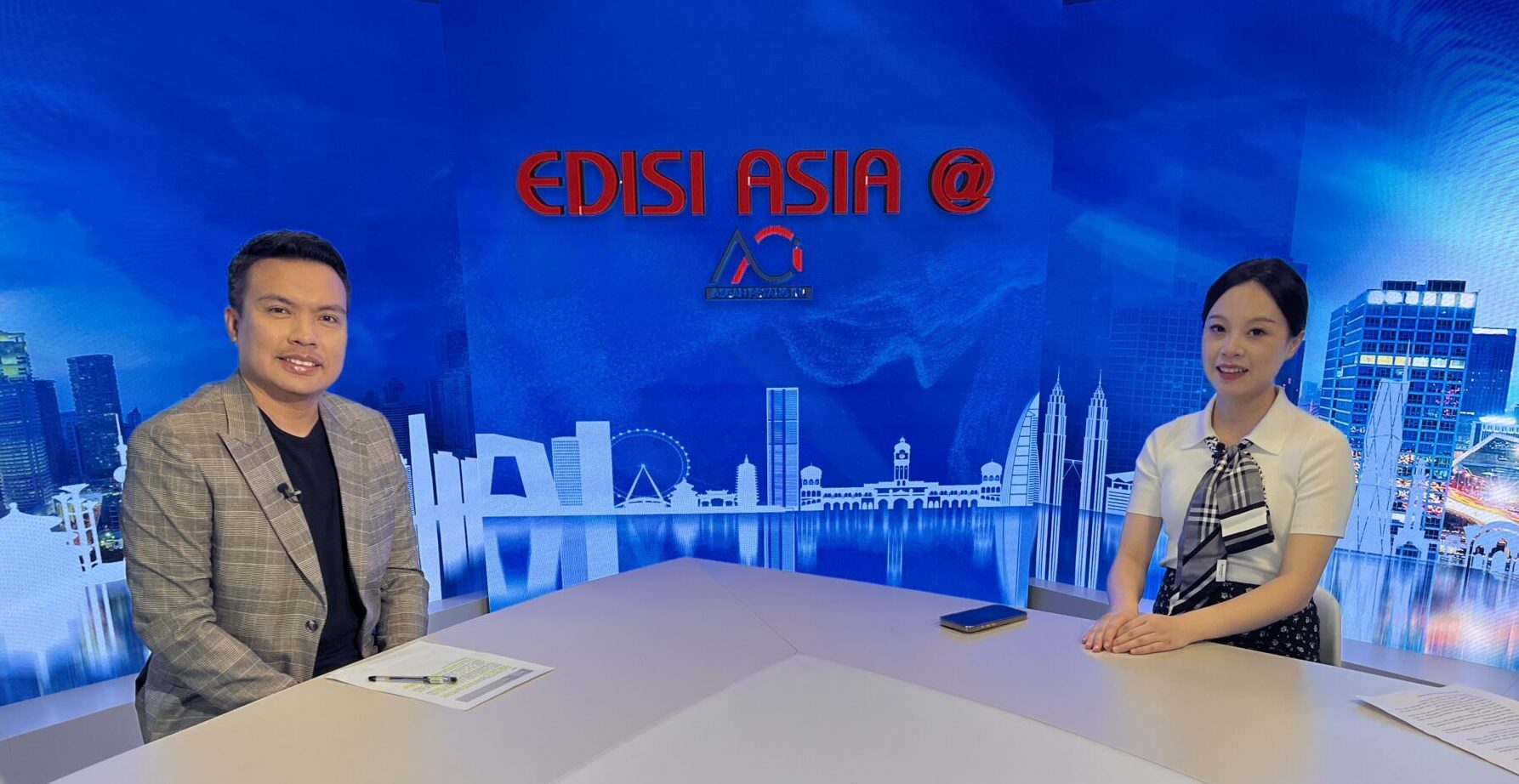
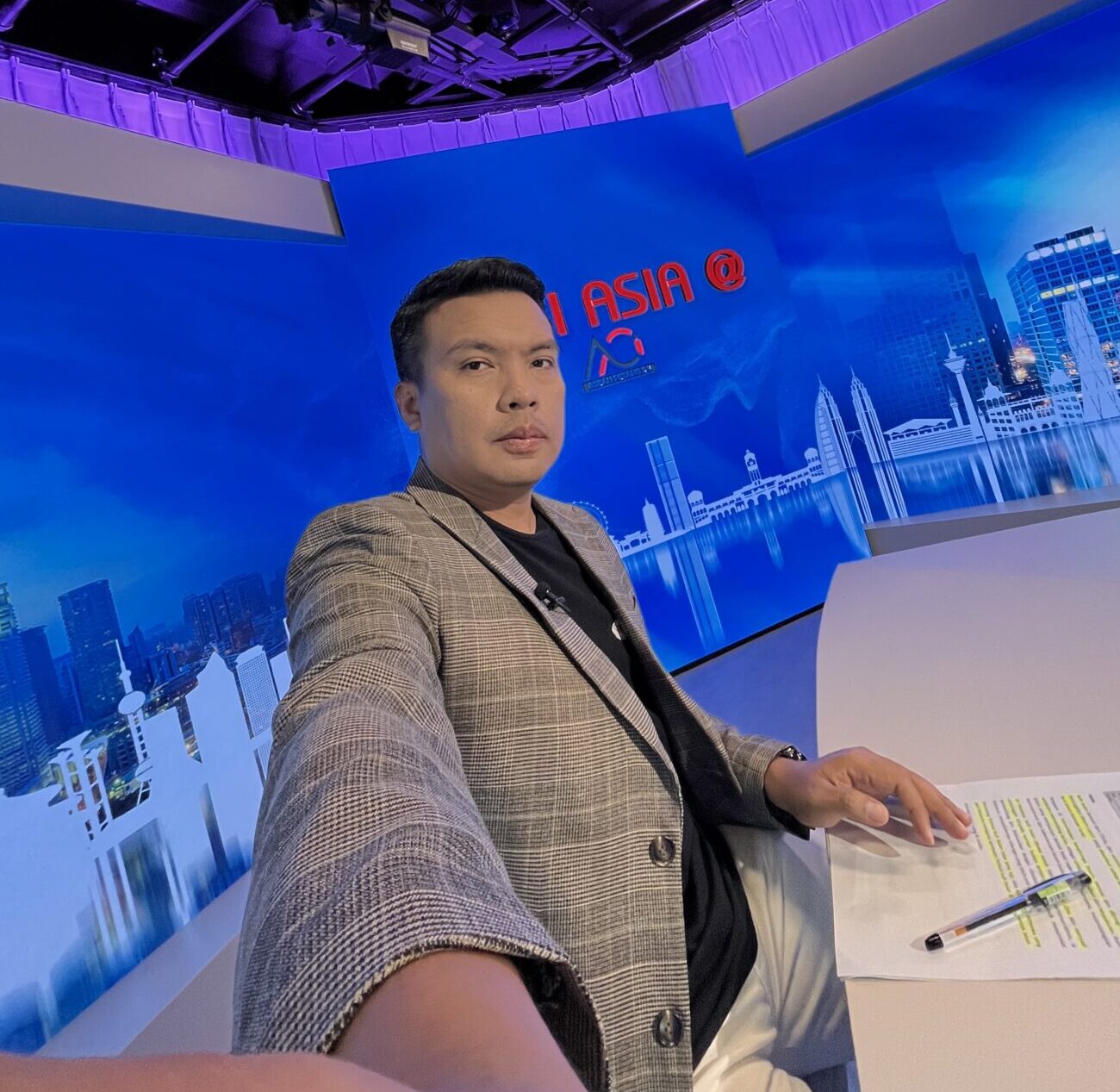
As host and broadcaster, Isa now leads Malay-language content such as Edisi Asia, a collaborative programme between Bernama and CMG that airs every Friday. He also occasionally hosts Agenda Awani Asia on Astro Awani and assists Malaysian media teams covering events across China.
His work ranges from scriptwriting and voice-overs to reporting on major events including Malaysian government visits, ASEAN engagements and embassy functions. He recently even assisted Bernama during the 2025 Association of Southeast Asian Nations (ASEAN) Media Partners Cooperation Week in Nanning.
“I once thought my career would always be Malaysia-based,” he said. “But now I meet Malaysian delegations, global media professionals and students from all over China. Every interaction is a reminder of the responsibility that comes with this role.”
Adjusting to the Unfamiliar
Two years later, Isa has found his footing in the fast-paced and high-tech city of Beijing. Nonetheless, he admitted that the transition to a city and culture so wholly different from his home was intimidating at first.
“At the start, I couldn’t speak Mandarin at all. Not even hello,” he said. “Before moving, I also had various people warning me about the food and people here.”
What he found instead was warmth and helpfulness. “Even though I spoke zero Mandarin, the locals were always happy to help me using translation apps,” he shared.
Living in the western side of Beijing, further from the city centre, pushed him to learn quickly. Through flashcards, online classes and guidance from his Mandarin-proficient wife, Isa has now progressed to Hanyu Shuiping Kaoshi (HSK) Level 2. HSK is a Chinese proficiency test conducted by China’s Ministry of Education for non-native speakers.
“I can now buy things and haggle in Chinese, and the locals get really excited when they see a foreigner converse in their language,” said Isa.
As a Muslim, he also discovered that Beijing offered far more accessibility than he expected. “Halal food is easy to find, and masjid access is not an issue at all. Those were what surprised me the most.
Fostering Connections and Community
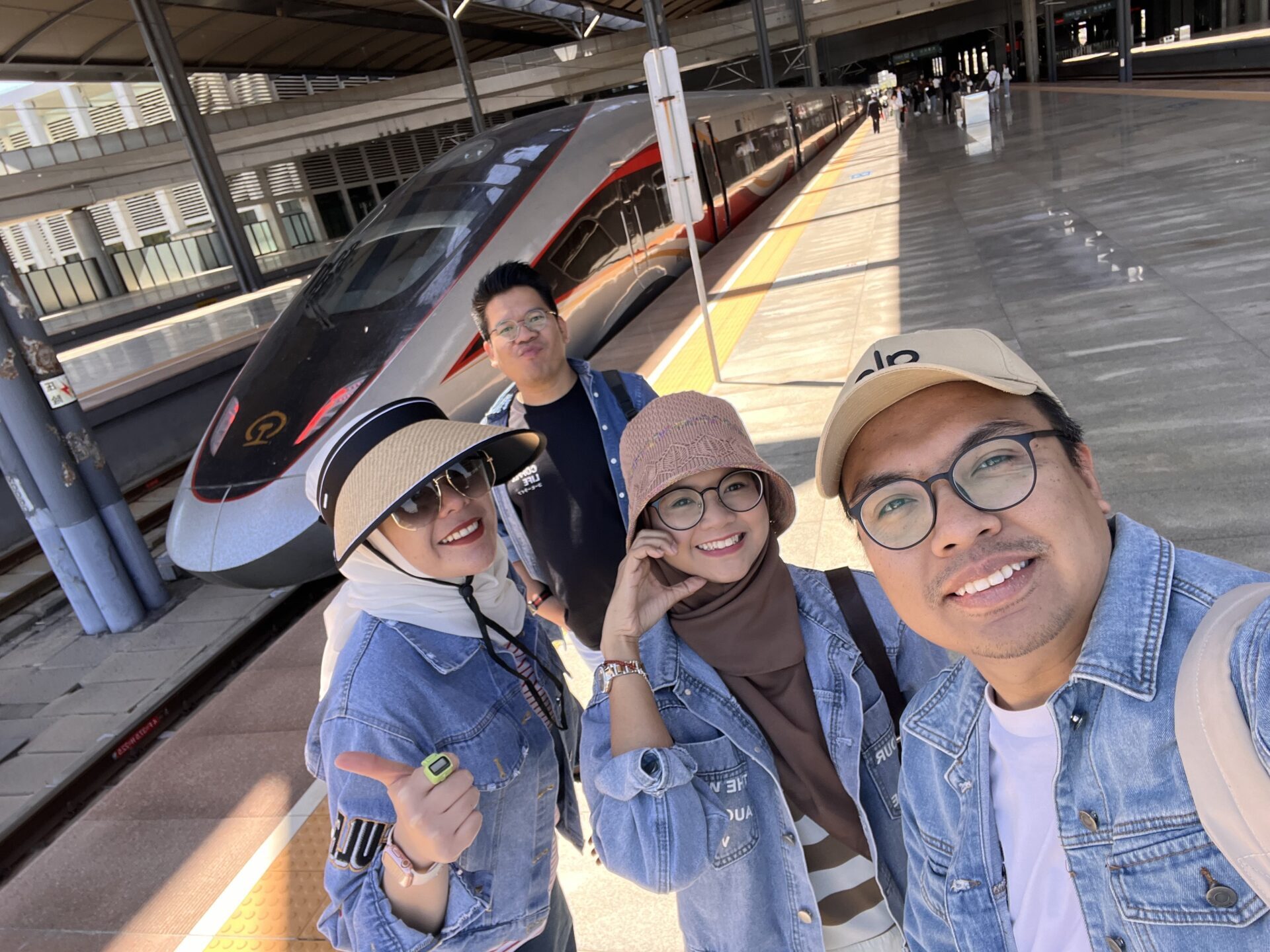
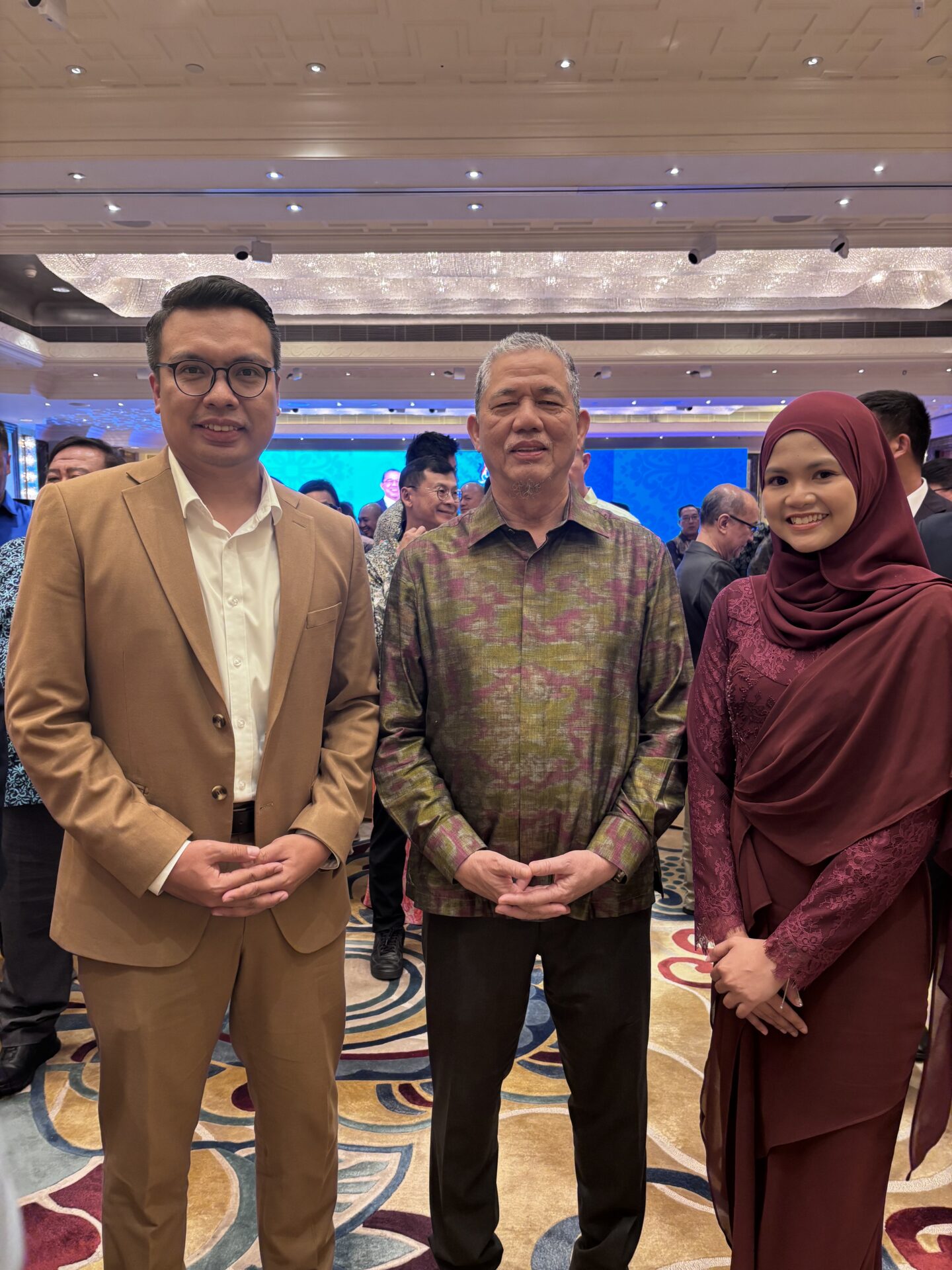
Thanks to the scope of his work, Isa’s bond with the Malaysian community remains steadfast. He regularly attends embassy events, joins cultural celebrations with Malaysian students from universities like Beijing Jiaotong University and often visits Laksa Queen, a beloved Malaysian eatery run by a Sarawakian.
Isa’s role at CMG has also made him a key bridge between Malaysian and Chinese media ecosystems, resulting in collaborations with organisations like the Malaysia-China Friendship Association and Dewan Bahasa dan Pustaka.
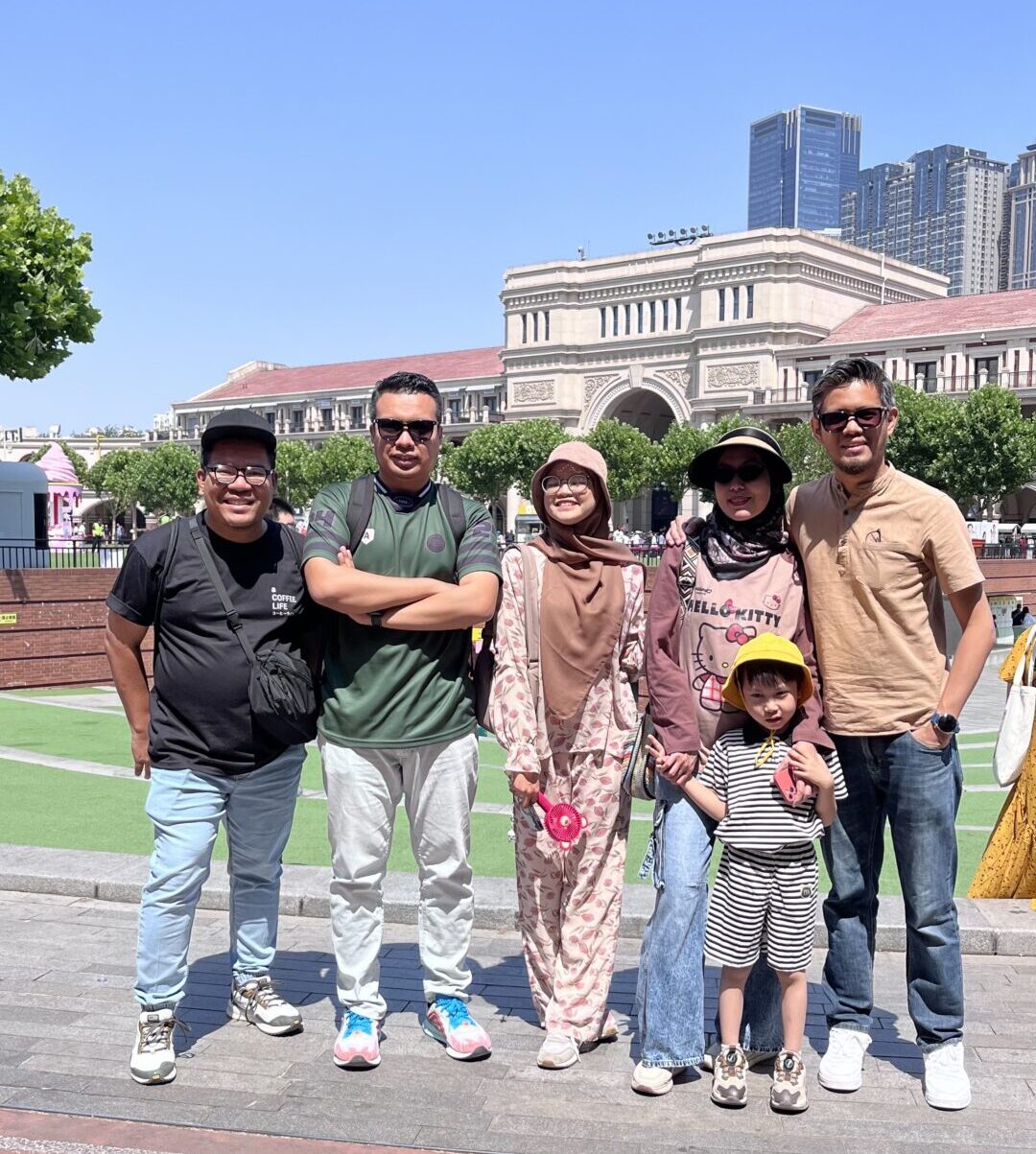
It is precisely this kind of contribution—staying rooted in Malaysian identity while building genuine connections abroad — that MyHeart, a platform for Malaysians worldwide, seeks to celebrate and champion.
Just as how language has bridged the gap between him and the people of China, it is also what keeps him connected to his origins. “I love when I get to speak Malay. We can laugh at the same jokes, and it’s nice to hear familiar slang again. That connection is priceless,” he said.
“I’m grateful that this job allows me to meet so many Malaysians here, even if it’s just for a while. Every meeting reminds me of home.”
Creating Content that Connects
Outside of work, Isa fosters his ties with fellow Malaysians in a way that also acts as his creative outlet – TikTok.
While it began as an online diary, his account has now evolved into a valuable resource for Malaysians who are curious about China. He shares everyday experiences, travel tips, halal food locations, public transport guides and honest perspectives on life abroad.
“My videos are not for fame. They’re memories. And if they help someone travel or work here with less fear, that’s even better.”
Many Malaysians visiting China now reach out asking to meet him or seek advice. Some even bring small gifts from home.
“Milo, Maggi, sambal belacan…it means the world to us here,” he said. “People don’t realise how valuable these small things become when you’re far from home.”
Isa is also working on a book chronicling his experiences living abroad and preparing a master’s research proposal for Universiti Malaya. If it gets greenlit, his research will focus on how Malay is taught and expanding in China.
“I want to contribute in my own small way, like correcting misconceptions about China by sharing real experiences with Malaysians back home from the lens of someone who lives here.”
The Importance of Embracing the New and Trying
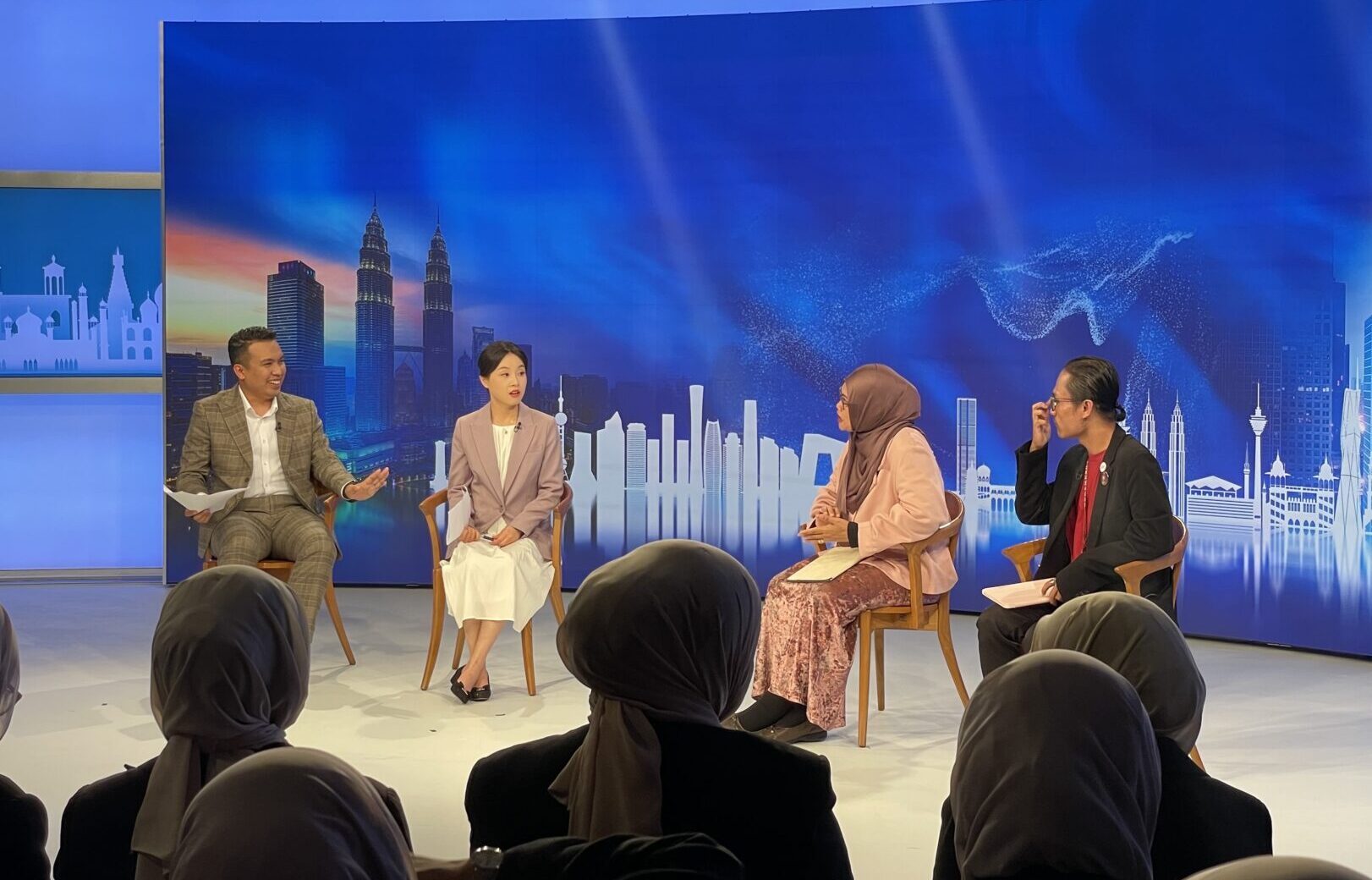
To many, Isa is no doubt a prime example of what Malaysia gains when its people remain connected to the world—a journalist, educator, and cultural bridge who makes Malaysia’s presence felt abroad, and brings the world back home.
Reflecting on what has brought him this far, Isa said that he believes deeply in the importance of trying.
“Never stop just because your first step fails. Never let doubts stop you from exploring and never let comfort keep you from learning something new.”
Moving to China, he said, has opened his eyes to gratitude, perspective and the value of embracing unfamiliarity.
“You must experience something before you comment on it. That’s the biggest lesson I’ve learned.”
Isa is one of numerous Malaysians abroad who are forming global connections for Malaysia through their work and voice. If you want to connect with individuals like him or have a similar story to share, sign up and be a part of the ever-growing MyHeart global network today.