
For most Malaysians, the thought of beach volleyball may come alongside images of seaside holidays, rather than ones of medals and podiums.
For 24-year-old Tasha Mae, however, it is the arena in which she hopes to make history. Currently based in San Diego where she is pursuing a Master’s in Sport Psychology at the San Diego University for Integrative Studies (SDUIS), Tasha is also a national beach volleyball player preparing to represent Malaysia at the upcoming SEA Games in Bangkok.
Guided by resilience, a love for the sport and a deeply rooted belief in Malaysia’s untapped sporting potential, she is on a mission to rewrite what is possible for the next generation of Malaysian athletes.
Embracing a Dual Identity & Finding a Calling in Volleyball
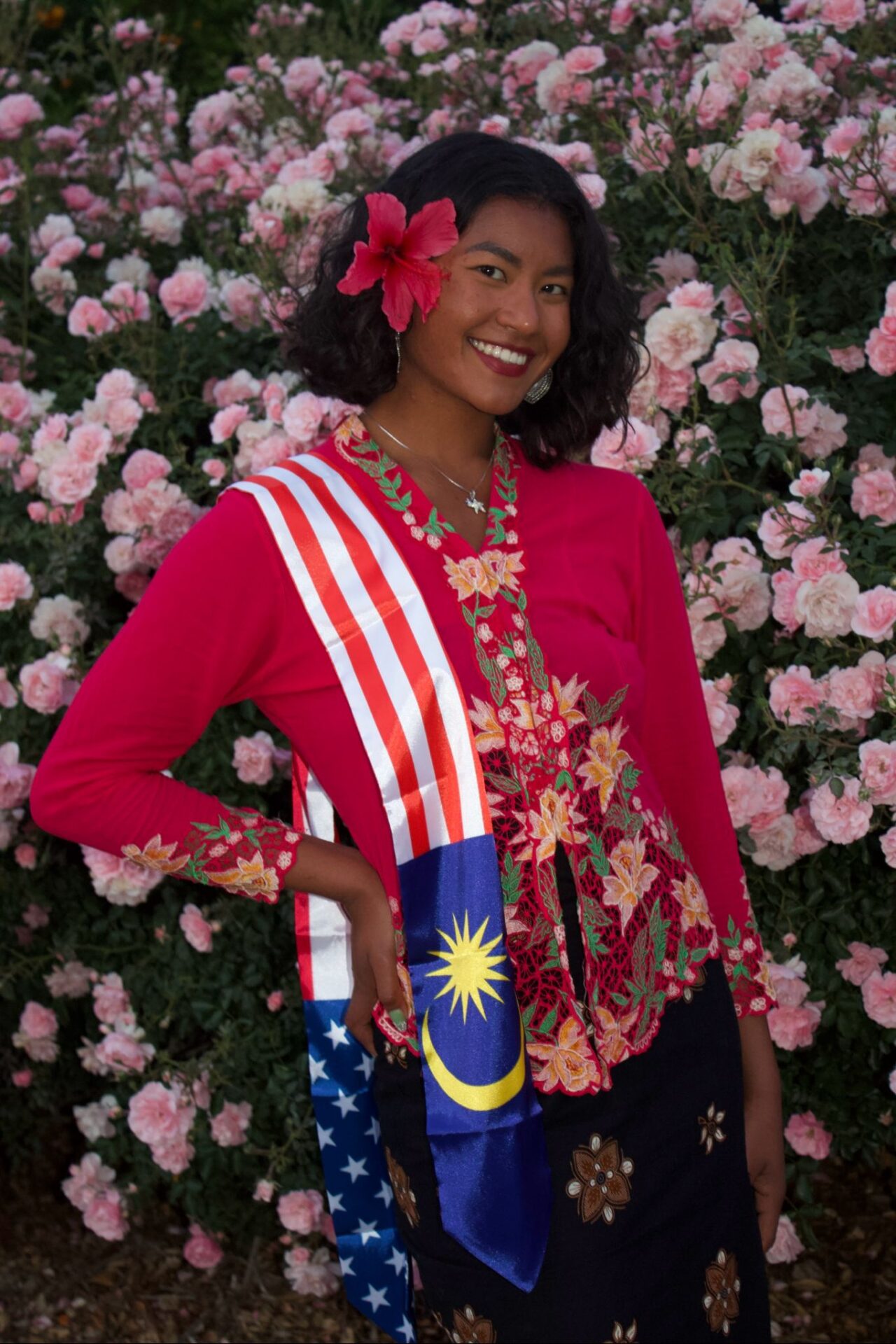
Born in Ipoh and raised in Petaling Jaya by a Chinese mother and an Indian father, Tasha grew up embracing both sides of her identity. Nowadays, that same pride can be seen on her Instagram, where she regularly shares the nuances of being biracial and Malaysian, from language to food to cultural humour. Volleyball, however, is what ignites her spark.
Her journey began in indoor volleyball at the age of 10, but she made the switch to beach volleyball when she was called to represent Malaysia in the sport at the SEA Games that year. That same year, she decided to further her studies in the United States (US) after discovering the American collegiate sports system, which would enable her to focus on being an athlete and earn a degree at the same time.
While she was set to enrol at Irvine Valley College in California right after high school, the Covid-19 pandemic threw a wrench in her plans. Undeterred, Tasha signed up for a semester of the American Degree Transfer Programme at INTI Subang in 2021 to familiarise herself with college life, before finally making the move to Irvine in the fall.
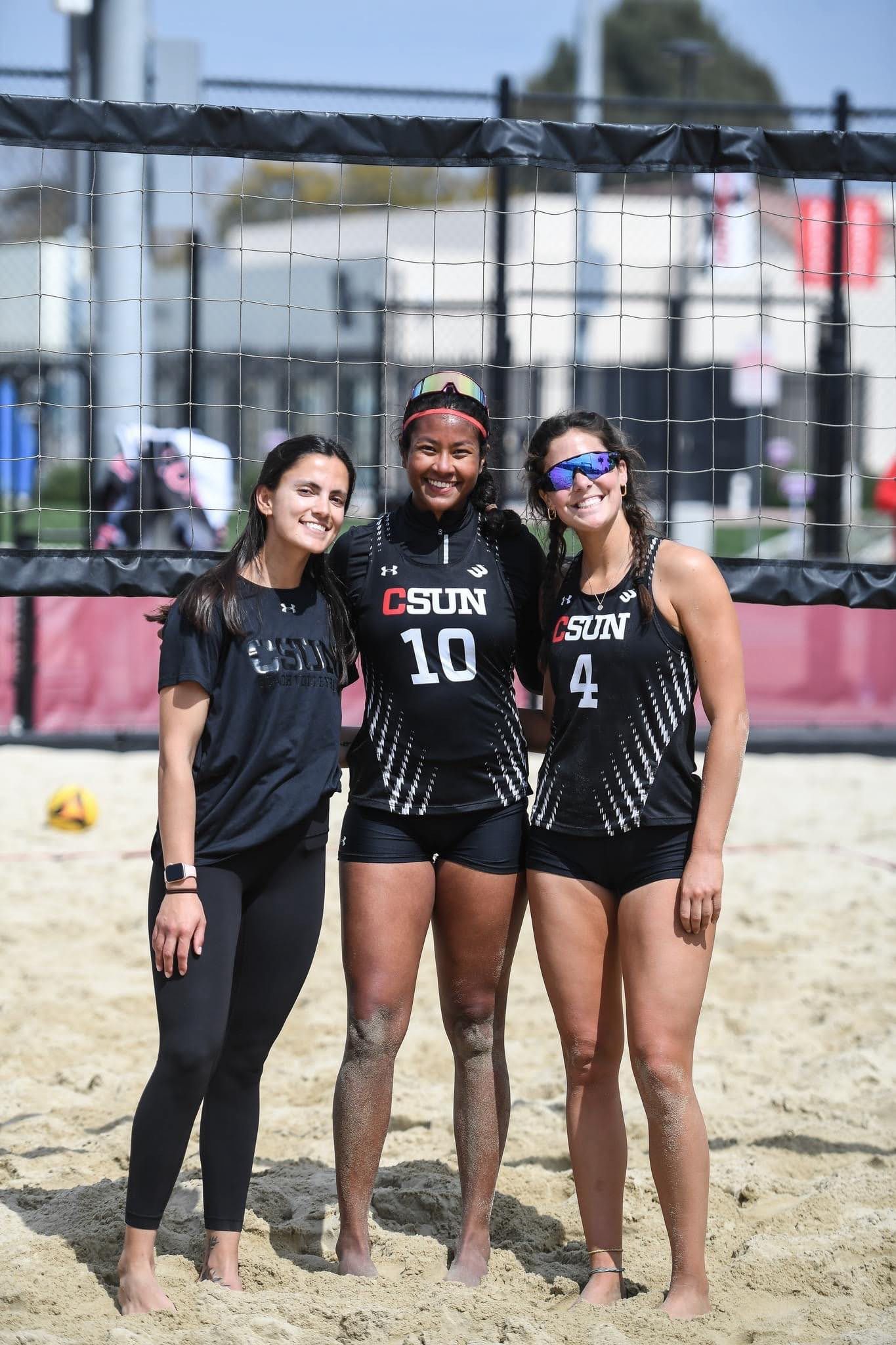
A year later, she transferred to California State University, Northridge (CSUN), where she became the first Malaysian to compete in the National Collegiate Athletic Association (NCAA) Division I beach volleyball.
“I didn’t realise how big that was until I took a step back. Coming from a country where the beach volleyball scene is relatively smaller, and playing against the top players in the US… I’m really proud of that,” said Tasha.
Her years at CSUN not only made her a stronger athlete. They turned her into a leader.
“It taught me to structure my day, manage my energy and show up even when I wasn’t at a hundred percent. If I only had sixty percent that day, I would give a hundred percent of that sixty,” she shared.
Growing Malaysian Volleyball Talents with Overseas Practices
Sharing her observations on being an athlete in the US, Tasha said: “In the States, sports is part of the culture. Everywhere you go, you see people training. It’s common practice to train super hard off-season and then showcase what you have learned during the competition season, instead of training only when a competition is near.”
She also noted that there were extensive teams to support the athletes. At CSUN alone, her team had a head coach, assistant coaches, strength and conditioning coaches, athletic trainers, nutrition rooms and even a dedicated sports psychologist.
“This allows everyone to focus on one job so athletes can just show up and do theirs. This kind of environment trains you to think like an elite athlete from a young age,” she said.
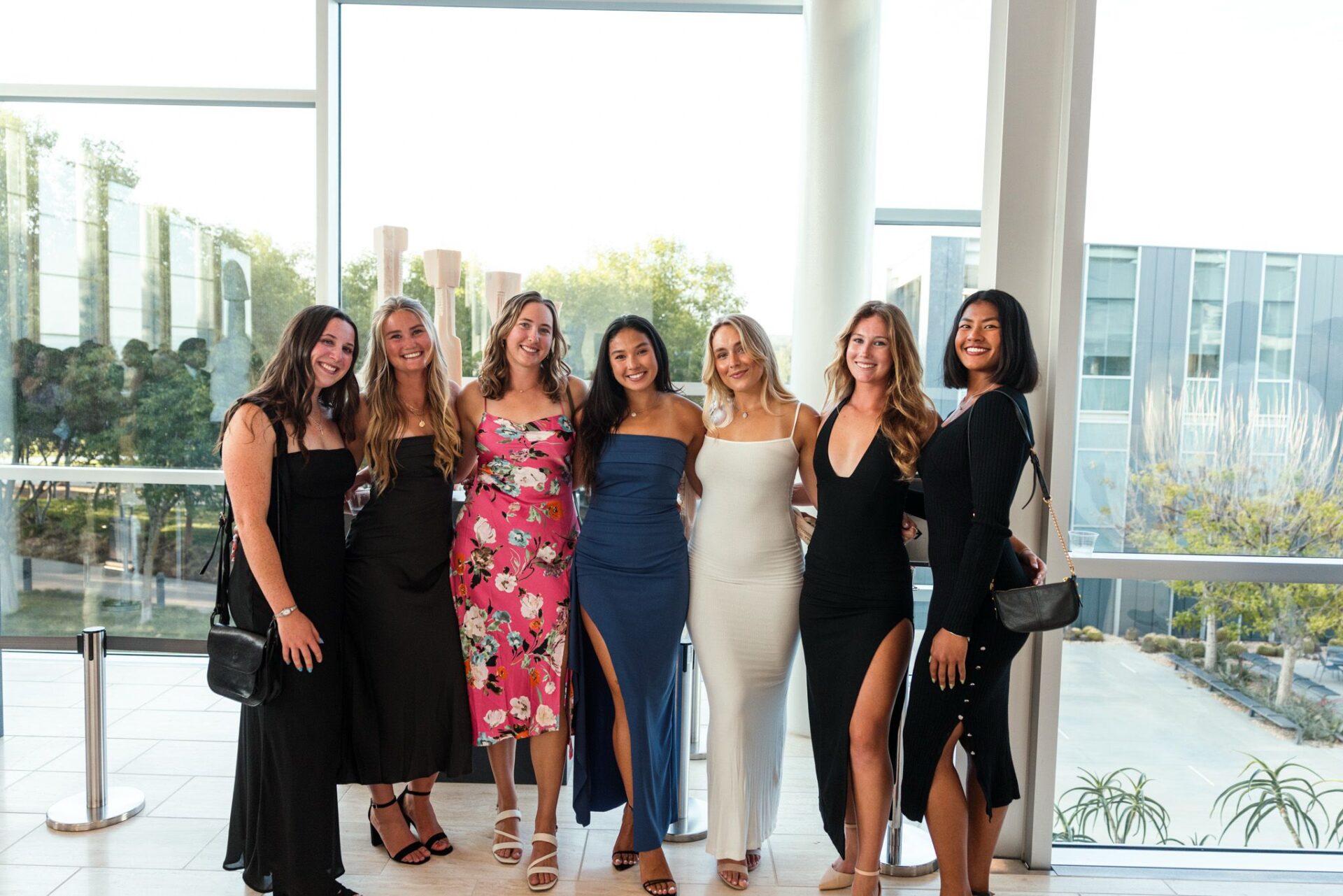
One day, she hopes to play a role in channelling what she has learned and seen in action back into the local volleyball scene, if not the entirety of Malaysia’s sports scene.
Her goal is to see Malaysia build a sporting ecosystem that gives athletes the infrastructure and time they need to truly develop—one that mirrors the year-round training culture she experienced in the US, with dedicated support staff, structured off-season programmes, and stronger pathways for young talent to access both sport and education simultaneously.
“It’s about giving athletes enough structure and time to grow. When I see what our youth teams have achieved, it reminds me that the foundation is there. I really want to contribute to that growth when the time is right,” shared Tasha.
Platforms like MyHeart, which connect Malaysians around the world, offer exactly the kind of network that could help athletes like Tasha channel their overseas experience into local impact.
Preparing for the SEA Games
After completing her most recent term of classes, Tasha flew home to Malaysia in early October this year to begin preparations for the 2025 SEA Games. She competed in Japan with a new partner, underwent centralised training in Pahang, and may even travel to Thailand to adapt to regional conditions ahead of the Games.
With six years having passed since she went abroad, Tasha has returned with a new mindset—one that values balance, joy and presence.
“I used to think you had to be locked in all the time, but constant stress doesn’t help you perform. Now I try to enjoy the tournament experience as well. When I’m happier, I play better,” she explained.
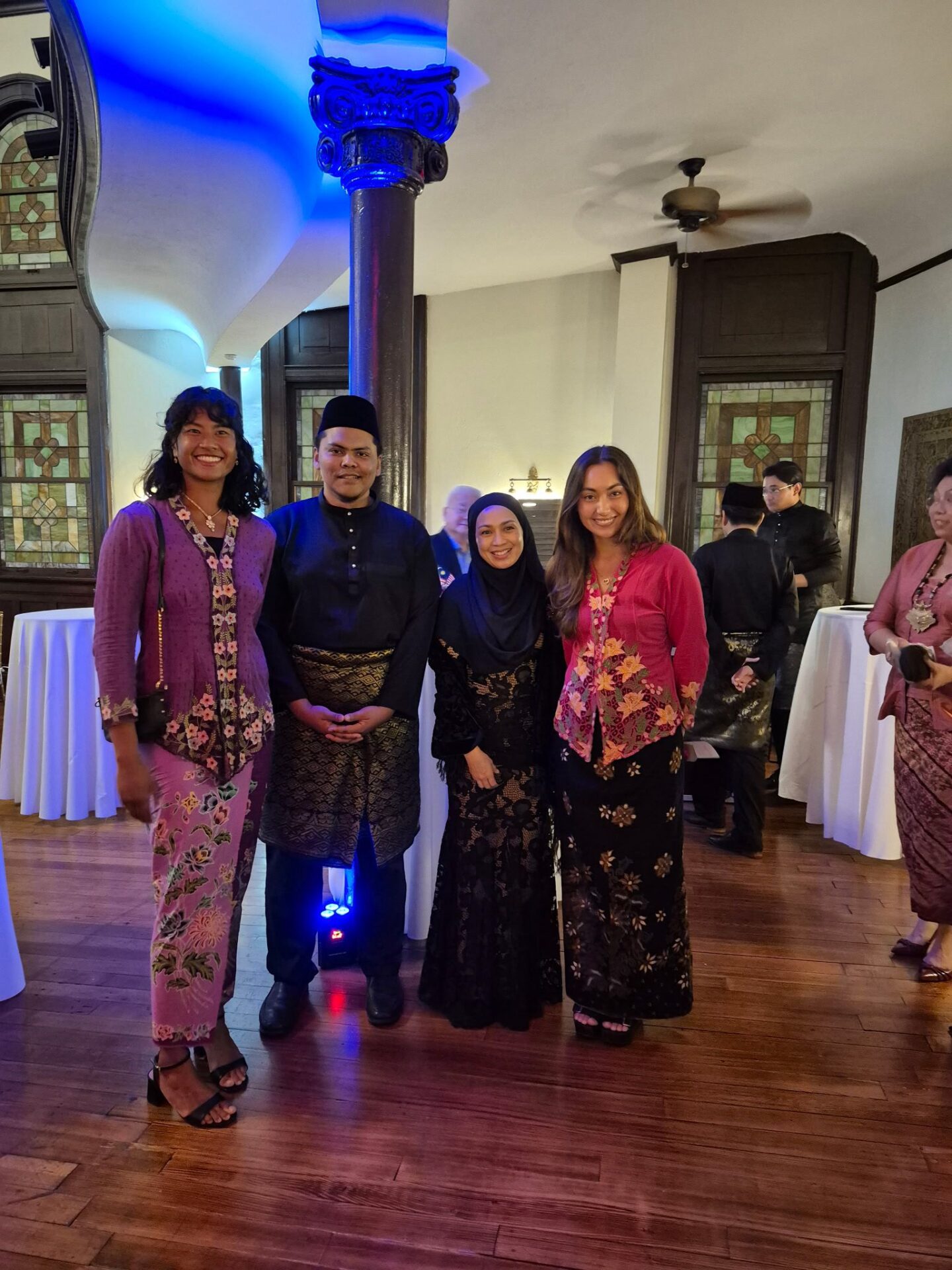
More importantly, she hopes this SEA Games will allow her to build friendships, reconnect with the Southeast Asian sporting community and grow both as an athlete and a person.
“Now that I’m back in the region, I’m remembering how fun it is. I love the culture here, and I hope to be able to make friends with other teams and watch other sports.”
Championing Malaysian Volleyball and Chasing Gold
Malaysia has yet to win a SEA Games gold medal in volleyball—indoor or beach—and that is why Tasha has made it her mission.
“For me, I have this mentality where if no one has done it, I want to try to do it,” she said.
On top of that, she wants to push Malaysian beach volleyball to greater international visibility and show young Malaysians that they can reach the world stage.
One avenue for this is her volleyball-oriented podcast, VolleyTalk. To date, she has already hosted a wide variety of figures on the show, from Olympians to retired gold medallists to coaches. Looking ahead, she hopes to broaden its scope to Malaysian athletes, regardless of sport.
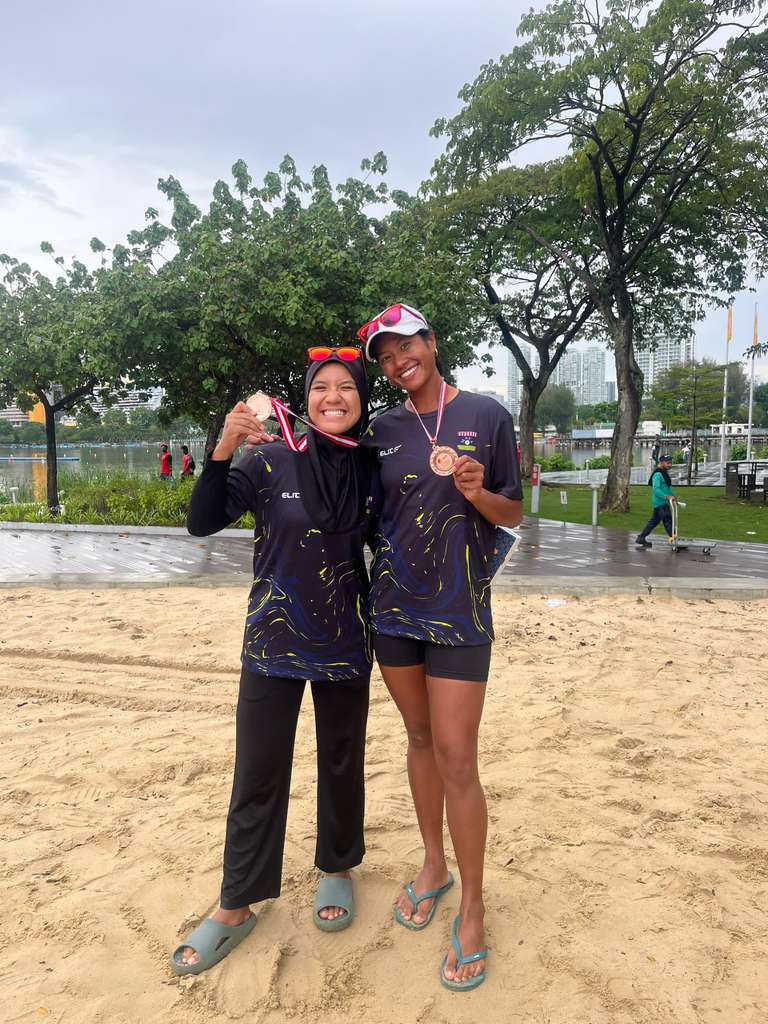
“I want to share their stories about being an athlete in Malaysia, and I think the podcast can be a good platform for that.”
As for her rapidly growing Instagram page, she hopes to put Malaysia on the map through her content there.
“Many people I met in the States knew little about where I come from, and I love showing them what makes us special. Even every time I come home, I discover something new about us.”
Nuggets of Wisdom for the Tashas of Tomorrow Reflections from the Court
The journey of being an athlete is paved with hardships, but Tasha believes those hardships are exactly what one needs to grow.
“Tough environments create fighters. Don’t shy away from them, but use them as an opportunity to discover yourself and what you’re truly made of,” she said.
She added that the skills and lessons one learns from high-pressure situations can be applied anywhere in life, well outside of the sports realm.
For Malaysians considering opportunities abroad, she advises: “You don’t have to wait until you’re home to contribute. When you’re abroad, share what you’re learning, tell your story, and stay visible in your community back home. That’s how you keep Malaysia with you, and how you bring something back even before you return,” she said.
Keen to give back to Malaysians or Malaysia by connecting or collaborating with others based abroad like yourself? Sign up with MyHeart today to explore a wide network of Malaysian diaspora and contribute your expertise to those back home.